

ProDentim Review 2026: What the Ingredient Labels and the Research Actually Say
If you’ve searched “ProDentim review,” you’ve probably already landed on a dozen pages that read almost identically: glowing testimonials, a story about fossilized teeth, and a “buy now” button before you’ve even learned what’s inside the tablet. This review takes a different approach — it looks at what ProDentim actually contains, cross-checks each ingredient against published research, and tells you honestly where the evidence is strong, where it’s thin, and what questions are still open.
What Is ProDentim?
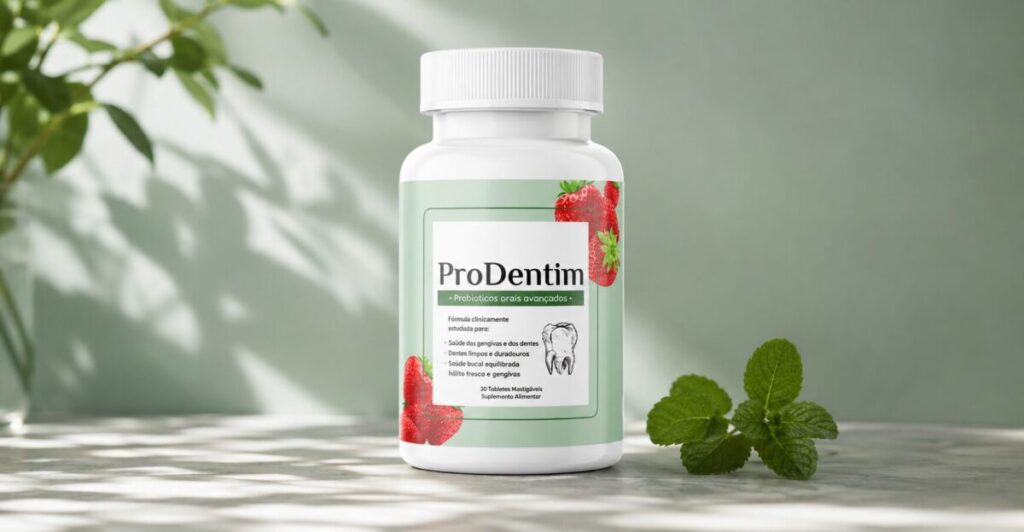
ProDentim is a chewable oral probiotic supplement built around the idea that a healthy mouth depends on a healthy balance of bacteria — not just brushing and flossing. The manufacturer’s core claim is that everyday products like toothpaste and mouthwash can disrupt this balance, and that repopulating the mouth with specific “good” bacterial strains can support healthier gums and teeth.
That basic premise — that the oral microbiome matters — is not controversial. Dentistry has known for years that not all mouth bacteria are harmful, and that an imbalanced microbiome (dysbiosis) is linked to conditions like gingivitis and periodontitis. The real question is whether this specific product, with these specific ingredients, delivers on that idea. That’s where most reviews stop short — so let’s go further.
ProDentim’s Ingredient List, Strain by Strain
ProDentim’s formula centers on four probiotic species plus a blend of plant- and mineral-based ingredients. Here’s what the research says about each one.
Lactobacillus paracasei
Clinical trials on L. paracasei have produced mixed results depending on the exact strain used. A strain called SD1 reduced cavities in children over six months of daily use, while a different strain (LF19) showed no reduction in childhood cavities, and yet another (LPCG110) didn’t reduce gum bleeding in adults. The takeaway from the research is consistent: strain identity matters enormously, and results don’t transfer automatically from one strain to another in the same species.
ProDentim’s label lists a generic L. paracasei without specifying the strain — so it’s not possible to match it to any of the strains that showed positive results in trials.
Lactobacillus reuteri
Studies here are similarly strain-dependent. A meta-analysis of chewable tablets and lozenges found no improvement in gingivitis. One strain (ATCC 55730) given to infants didn’t reduce plaque by age nine. However, a different strain given to patients after dental implants showed a modest reduction in gum bleeding, and the same strain produced small improvements in a study of sailors over 42 days.
Again, ProDentim does not disclose which L. reuteri strain it uses, which makes it impossible to verify whether it matches any strain with documented benefits.
B. lactis BL-04®
This is one area where ProDentim is more transparent — it names the specific strain (BL-04). Unfortunately, the strain-specific research is discouraging. Trials on Bifidobacterium lactis strains BB-12 and DN-173010 found no reduction in cavity rates or plaque in children and adolescents. One small trial found a modest benefit only after five days without brushing — a scenario that doesn’t reflect normal use. No published trial specifically tests BL-04 for oral health outcomes.
Streptococcus salivarius (unspecified strain)
This is arguably the most evidence-backed genus for oral health, but the strength of that evidence again depends on the specific strain — mainly M18 and K12, sold commercially under the brand name BLIS. Studies on these two strains have shown modest reductions in plaque and, in K12’s case, some improvement in bad breath. ProDentim includes S. salivarius but doesn’t specify a strain, so shoppers have no way to know if they’re getting M18, K12, or a generic (and likely less-studied) alternative.
The Plant and Mineral Blend
Alongside the probiotics, ProDentim includes inulin (a prebiotic fiber that can support probiotic activity), malic acid, tricalcium phosphate, and peppermint. These are common, low-risk additions found in many oral-health supplements, and each has some general supporting research — but none of them are unique to ProDentim.
The Fossil Claim, Fact-Checked
ProDentim’s marketing points to fossilized teeth lasting “hundreds of years” as evidence that oral bacteria — not brushing — determines tooth longevity. This comparison doesn’t hold up scientifically: fossilized teeth survive because of mineralization, a slow geological process where organic tissue is gradually replaced by minerals, effectively turning the tooth to stone. It has nothing to do with bacterial exposure, sugar, or oral hygiene. It’s a memorable marketing image, not a scientific argument.
Does Toothpaste Really Destroy Good Bacteria?
The sales page cites a scientific reference to claim toothpaste and mouthwash “destroy the microbiome.” The underlying research says something narrower: certain antiseptic mouthwashes — specifically those containing chlorhexidine — can disrupt the natural balance of oral bacteria with regular use, and may even contribute to antibiotic resistance over time. Most oral-health researchers already caution against long-term daily chlorhexidine use for exactly this reason.
However, the same research does not extend this warning to standard toothpaste. There’s no solid evidence that ordinary fluoride toothpaste harms the oral microbiome. That distinction matters, because it means ProDentim’s marketing broadens a narrow, mouthwash-specific finding into a sweeping claim about “common dental products” in general.
What This Means in Practice
- The core science behind oral probiotics is real and worth taking seriously.
- ProDentim’s problem isn’t that it uses the wrong categories of probiotics — it’s that it mostly uses undisclosed, generic strains, when the research shows that strain selection is the single biggest factor in whether a probiotic actually works.
- Of the four bacteria included, only BL-04 is named specifically, and that strain doesn’t have oral-health-specific trial data behind it.
- If oral probiotics are what you’re after, strains with the most consistent supporting evidence — like S. salivarius K12 or M18 (sold as BLIS K12/M18) — are available as standalone supplements, typically at a lower price point than multi-ingredient blends like ProDentim.
Frequently Asked Questions
Is ProDentim good for your teeth?
It may offer some general microbiome-support benefit, similar to other probiotic supplements, but the specific strains it contains are not the ones with the strongest published evidence for oral health, and the company doesn’t disclose most of its strains — so it’s hard to verify effectiveness.
What is the best oral probiotic on the market?
It may offer some general microbiome-support benefit, similar to other probiotic supplements, but the specific strains it contains are not the ones with the strongest published evidence for oral health, and the company doesn’t disclose most of its strains — so it’s hard to verify effectiveness.
How long does it take to see results with ProDentim?
There’s no independent, strain-matched clinical trial on ProDentim itself, so there’s no verified timeline. General oral-probiotic studies that showed benefits typically ran for 4–24 weeks of daily use.
Do dental probiotics actually work?
Some do — but effectiveness is strain-specific, not category-wide. A probiotic labeled with the right species but the wrong (or undisclosed) strain may provide little to no measurable benefit. Oral probiotics, even the well-studied ones, are a complement to brushing, flossing, and regular dental checkups — not a replacement for them.
What countries does ProDentim ship to?
ProDentim is currently available to customers in the US, Canada, Australia, the UK, New Zealand, and Ireland. Availability can change, so it’s worth confirming on the order page before checkout.
Bottom Line
ProDentim isn’t a scam in the sense of containing dangerous or fake ingredients — the bacteria it lists are real, generally safe, and drawn from categories that have legitimate oral-health research behind them. But the marketing overstates what the underlying science supports, and the lack of strain transparency makes it impossible to confirm that this specific formula matches the strains that performed well in trials. Anyone considering it should weigh that gap between marketing claims and disclosed ingredients before buying — and should talk to a dentist about any persistent gum or tooth concerns rather than relying on a supplement alone.
This article is for informational purposes only and is not medical advice. Consult a licensed dentist or physician before starting any new supplement, especially if you are pregnant, nursing, or managing a medical condition.