
Why Do I Still Get Cavities Even Though I Brush Every Day? (2026)
Why do I still get cavities even though I brush every day? It’s one of the most common frustrations in dentistry — you brush twice a day, floss regularly, and still end up with a new cavity at every checkup. You’re not imagining it, and you’re not doing it wrong. Emerging research suggests the real explanation may have less to do with your brushing technique and more to do with a specific bacterial enzyme that helps cavity-causing bacteria survive the very things meant to remove them.
Quick answer: Cavities can keep forming even with daily brushing because certain bacteria, aided by an enzyme called FabM, can adapt their cell membranes to survive the acidic and mechanical stress that brushing and flossing normally create — allowing them to persist in small colonies even in a well-cleaned mouth.
Why Do I Still Get Cavities Even Though I Brush Every Day? It’s Not About Brushing Harder
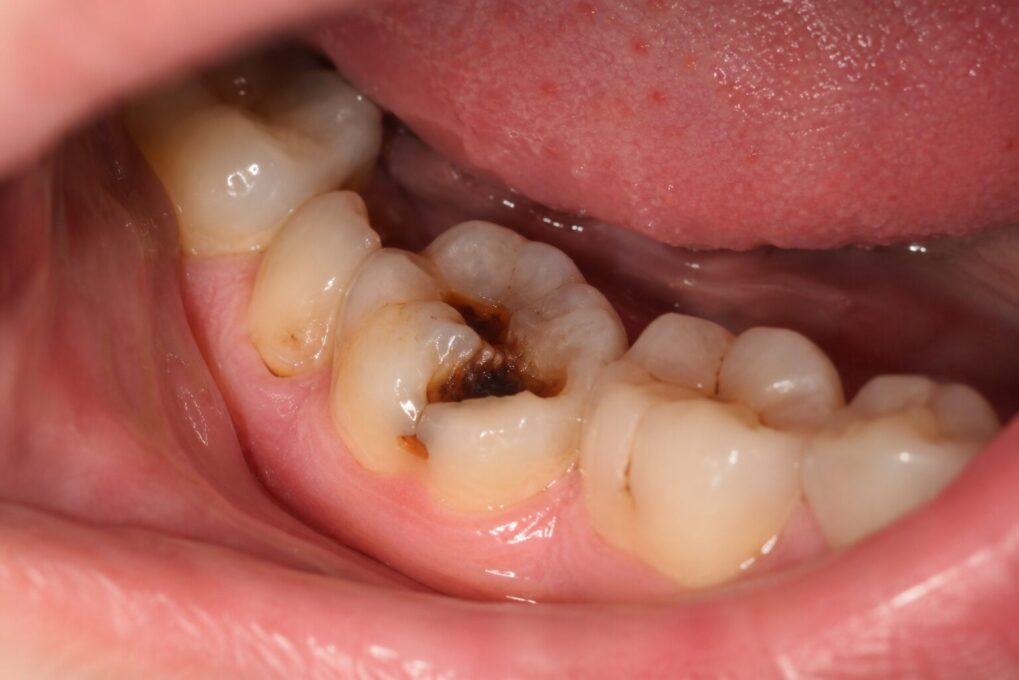
Most advice about cavity prevention focuses on habits: brush longer, floss more, cut back on sugar. Those habits matter, but they don’t fully explain why some people with excellent oral hygiene still develop frequent cavities, while others with less consistent habits don’t.
Researchers have spent years trying to understand this gap, and the answer appears to be less about what you do and more about how certain bacteria adapt to survive it.
The Enzyme Behind the Problem: FabM
The key discovery centers on an enzyme called FabM, first identified by researcher Charles Rock at St. Jude Children’s Research Hospital in 2002. FabM plays a role in how Streptococcus mutans — the primary bacteria responsible for tooth decay — builds and adjusts the fatty acids in its own cell membrane.
Later research at the University of Rochester found something striking: this enzyme allows the bacteria to change its membrane composition in response to the acidic environment created by sugars and food particles in the mouth. In simple terms, it helps the bacteria “toughen up” and survive conditions that would normally weaken or kill it — conditions like the ones your toothbrush and mouthwash create every day.
The finding was significant enough that the University of Rochester received a multi-million dollar research grant from the National Institute of Dental and Craniofacial Research to study it further.
Why This Matters for People Who Brush Regularly
Brushing and flossing physically remove plaque and food particles, but they don’t necessarily eliminate every bacterium hiding in a biofilm — the sticky layer bacteria form on tooth surfaces. If certain bacteria have adapted, via enzymes like FabM, to better withstand acidic and mechanical stress, they can persist in small colonies even in a mouth that’s cleaned consistently.
This may help explain a pattern many people experience: doing everything “right” and still ending up with new cavities, particularly in hard-to-reach areas like back molars or between teeth.
What Researchers Found When They Disabled the Enzyme
In lab studies, when researchers disabled the FabM gene in S. mutans, the bacteria became dramatically more vulnerable to acid-related destruction — up to 10,000 times more susceptible, according to the research findings. This suggests that FabM plays a meaningful role in the bacteria’s ability to survive and continue causing damage over time.
It’s worth being clear about what this research does and doesn’t show: the studies involved genetically modifying bacteria in a lab setting. They don’t tell us how to disable this enzyme in a living human mouth, and no toothpaste or mouthwash on the market is currently designed to specifically target FabM activity. This remains an active area of scientific research rather than a solved problem.
What This Means for Your Oral Care Routine Today
While the science around bacterial resilience continues to develop, a few practical takeaways still hold up:
- Consistency matters more than intensity. Brushing harder doesn’t disrupt biofilm better — brushing thoroughly and consistently, twice a day, does.
- Interdental cleaning is not optional. Bacteria that survive in between teeth are a common source of decay that brushing alone misses.
- Diet plays a direct role in bacterial resilience. Frequent sugar exposure gives acid-tolerant bacteria more opportunities to thrive.
- Regular dental checkups catch what home care can’t. Professional cleanings remove biofilm buildup that daily brushing doesn’t fully reach.
- Ongoing research into the oral microbiome is worth watching. Scientists are increasingly looking at ways to support a healthier bacterial balance in the mouth, beyond just mechanical cleaning.
The Bigger Picture: Why Do I Still Get Cavities Even Though I Brush Every Day?
The discovery of enzymes like FabM reflects a broader shift in how dental researchers think about cavities: not just as a hygiene problem, but as a microbial balance problem. According to the American Dental Association, tooth decay results from a complex interaction between bacteria, diet, and the tooth surface — not simply a lack of brushing. Some bacteria in the mouth are protective, and some are harmful, and the mouth’s ability to keep that balance in check may matter just as much as how thoroughly it’s cleaned.
This is still a developing area of research, and there’s no single product or routine change that resolves it entirely. But it does help explain why cavities aren’t always a reflection of how well someone brushes their teeth.
Some newer oral care approaches have started exploring ways to support this bacterial balance directly. If you’re curious what that looks like in practice, we broke down one of the more talked-about options here.
Frequently Asked Questions
Can I do anything today to target the FabM enzyme specifically?
Not directly — there’s currently no toothpaste, mouthwash, or over-the-counter product proven to target FabM activity in a clinical setting. This remains an area of ongoing scientific research.
Does this mean brushing doesn’t matter?
No. Brushing and flossing remain essential for physically removing plaque and food debris. This research simply helps explain why some bacteria can persist despite good hygiene, not that hygiene is ineffective.
Why do some people get more cavities than others despite similar habits?
Differences in oral bacteria composition, saliva chemistry, diet, and genetics all play a role. Bacterial resilience — like that provided by enzymes such as FabM — may be one more piece of that puzzle.
Is this related to oral probiotics or postbiotics?
Researchers are increasingly interested in how the oral microbiome’s bacterial balance affects cavity risk, which has led to growing interest in probiotic and postbiotic approaches to oral health. This is a developing field, separate from the enzyme research itself.
This article is for informational purposes only and does not constitute medical or dental advice. Consult a licensed dentist about persistent or recurring cavities.
References:
- Rock CO (2002). Fatty acid biosynthesis in oral streptococci and the role of the FabM enzyme — St. Jude Children’s Research Hospital
- Quivey RG et al. (2008). FabM enzyme and acid tolerance in Streptococcus mutans — University of Rochester Medical Center