

Bad Breath After Brushing? Here’s Why It Still Happens (2026)
Bad breath after brushing is one of the most common — and most frustrating — dental complaints. You just spent two minutes cleaning your teeth, yet the smell is still there within the hour. The truth is, bad breath after brushing rarely comes from your teeth at all. It comes from bacteria hiding in places your toothbrush never reaches: your tongue, the tight spaces between teeth, and a dry mouth.
Why Bad Breath After Brushing Happens So Often
A toothbrush only cleans the flat surfaces of your teeth. It barely touches the back of the tongue, the gumline, or the space between teeth — exactly where odor-causing bacteria build up. These bacteria feed on leftover food particles and dead cells, releasing sulfur compounds as a byproduct. That sulfur smell is what we recognize as bad breath, also known as halitosis.
The 4 Real Causes of Bad Breath After Brushing
1. Bacteria on the tongue. The rough surface at the back of the tongue is the single biggest source of bad breath after brushing — far more than the teeth themselves.
2. Food trapped between teeth. Even a thorough brushing routine leaves particles wedged between teeth. Left alone, they break down slowly and produce odor for hours.
3. Dry mouth. Saliva rinses away bacteria naturally. Mouth breathing, certain medications, or simply not drinking enough water reduces saliva flow and makes bad breath after brushing worse.
4. Bacteria below the gumline. Plaque that builds up along and under the gums keeps producing odor long after brushing is done. This is closely related to what we cover in Why Do I Still Get Cavities Even Though I Brush Every Day?
How to Fix Bad Breath After Brushing
- Scrape your tongue daily. This single habit removes more odor-causing bacteria than brushing alone.
- Floss before you brush, not after — it loosens trapped food so the brush can actually clean it out.
- Drink more water throughout the day to keep saliva flowing and bacteria from building up.
- Use an alcohol-free antibacterial mouthwash. Alcohol dries out the mouth, which can make bad breath after brushing worse over time.
- Support your mouth’s bacterial balance daily with an oral probiotic like ProDentim, designed to work around the clock — not just during the two minutes you brush.
When Bad Breath After Brushing Needs a Dentist
Occasional bad breath is normal. But if it’s constant, doesn’t improve with better hygiene, or comes with a strange taste, it could signal gum disease, a sinus issue, or a digestive cause. According to the American Dental Association, persistent bad breath that doesn’t respond to good oral hygiene should be evaluated by a dentist.
This article is for informational purposes only and is not a substitute for professional dental advice, diagnosis, or treatment.
Frequently Asked Questions
Why do I still have bad breath after brushing?
Because brushing cleans your teeth, not your tongue or the spaces between your teeth — the two biggest sources of bad breath after brushing.
Does mouthwash fix bad breath after brushing permanently?
No. Mouthwash only masks the smell temporarily. Without tongue scraping, flossing, and hydration, bad breath after brushing usually returns within
Can bad breath after brushing be a sign of a health problem?
Yes. Ongoing bad breath after brushing can be linked to gum disease, dry mouth, sinus issues, or digestive problems, and should be checked by a dentist if it doesn’t improve.
How can I prevent bad breath after brushing every day?
Scrape your tongue daily, floss before brushing, drink more water, and consider a daily oral probiotic for ongoing bacterial balance.
Still dealing with bad breath after brushing no matter what you try?
ProDentim is formulated to support a healthy balance of oral bacteria every day — not just during brushing.
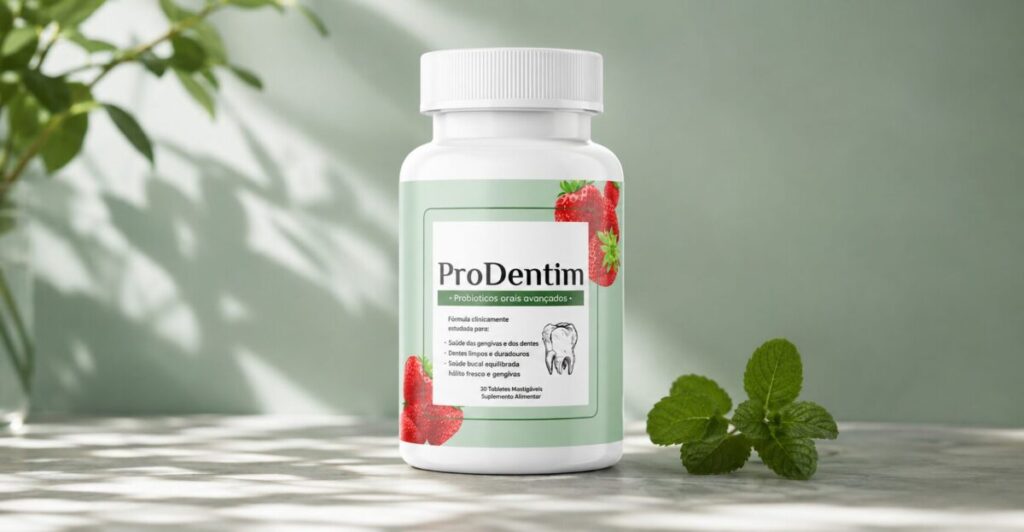
Discover how ProDentim may support your oral health routine. Read the full review and learn why so many people are talking about it.
References
- American Dental Association — ada.org
- National Institute of Dental and Craniofacial Research — nidcr.nih.gov